For managing directors and support leaders
Technical support by the numbers: what six industries publish about their helplines
Two boiler manufacturers publish their call volumes. Almost nobody else does. What the public record says about technical support in heating, medical devices, access control, doors and gates, fire and intruder alarms, and what it costs.

Lingo
9 min read

One British boiler manufacturer answers more than 2,000 technical calls a day. Another takes around 1,500 on its trade line alone. Almost no other manufacturer, in any industry, has published a number. This is what the public record does say about technical support in six industries, and what it means for the cost of yours.
In short
- Only heating manufacturers publish helpline volumes: more than 2,000 calls a day at Worcester Bosch and around 1,500 queries a day at Vaillant.
- Worcester Bosch’s figures work out at about 50 calls per advisor per day (54 in 2010, 48 in 2016), and no more than 8.8 minutes a call.
- In medical devices, access control, doors and gates, fire and intruder alarms, the published evidence explains why installers call, not how often. The number that matters is your own.
The helplines that publish their numbers
Heating is the exception. Two boiler manufacturers have published what their helplines handle, and a third manufacturer has published its pre-sales enquiries.
- pre-sales technical enquiries a month, to 15 engineers
- ~4,000
- Mitsubishi Electric UK, in Installer Online, February 2025
Worcester Bosch has repeated its figure over a decade. In 2016 it said its 42 advisors respond to “over 500,000 telephone calls and 50,000 emails a year”. In 2019 the trade magazine PHPI reported “around 500,000 calls per year”, more than 40 advisors and an average answer time under 20 seconds.
It is hard to picture 2,000 calls a day. Spread across the 7am to 6pm weekday the company publishes now, it is one call every 20 seconds.
One call every 20 seconds
Illustration. 2,000 calls a day spread evenly across an 11-hour day
calls at that rate since you opened this page
At 2,000 calls a day across 11 hours, a call arrives about every 20 seconds.
What one advisor handles
Divide the published volumes by the published headcounts and a consistent picture appears. The rows below are not like for like, so each one says what it counts.
Queries handled per person
Published volumes divided by published team sizes
| Team | What is counted | Per day |
|---|---|---|
| Worcester Bosch, 2010 | More than 2,000 phone calls a day, 37 advisors | 54 |
| Worcester Bosch, 2016 | Over 500,000 phone calls a year, 42 advisors | 48 |
| IT service desks, 2023 | 456 voice contacts per analyst per month, benchmark average | 22 |
| Mitsubishi Electric UK, 2025 | Around 4,000 pre-sales technical enquiries a month, 15 engineers | 13 |
The spread is the point. Pre-sales design questions are long and each one is different, so an engineer gets through about a dozen a day. A boiler helpline gets through four times that, which only works if most of the calls are short and familiar.
The same figures put a ceiling on call length. 42 advisors working 1,740 hours a year have 73,080 hours between them. Shared across 500,000 calls, that is 8.8 minutes a call at the very most, with no time left for the 50,000 emails, training or a break. IT service desks, by comparison, average 10.78 minutes of handling time per call.
On these figures a boiler helpline has to move faster than the average IT desk, which is only possible if much of what it answers has been answered before.
How much of it is routine
No manufacturer publishes the share of its calls that are routine. The nearest published guide is from IT service desks: an article published by HDI, the IT support industry association, recommends that in a well-run desk “the percent of tickets classified as known should be between 65%–85%”. It is a recommended range for teams that record their answers, not a survey, and a boiler is not a laptop. It is still the nearest outside reference.
Applied to one advisor, the range looks like this. An advisor paid the UK median for an engineering technician costs £51,977 a year to employ, or £30 an hour.
One advisor’s year, if most queries are known ones
Illustrative. The cost of one advisor, and the part spent on known issues at 65% and 85%
The same benchmark set says IT service desks resolve 78.9% of contacts at the first level, so about one in five is passed to someone more senior. In a manufacturer that person usually sits in engineering.
Now put in your own numbers. This is the calculator from our home page.
What are routine queries costing your team?
Move both sliders to see an estimate
Six industries, six pieces of evidence
Outside heating, manufacturers do not publish what reaches their helplines. What each industry does publish explains why the calls come.
HVAC and heat pumps
54,054
calls answered in a year by the Gas Safe Register’s own technical helpline, on top of every manufacturer’s lineGas Safe Register, 2023 to 2024
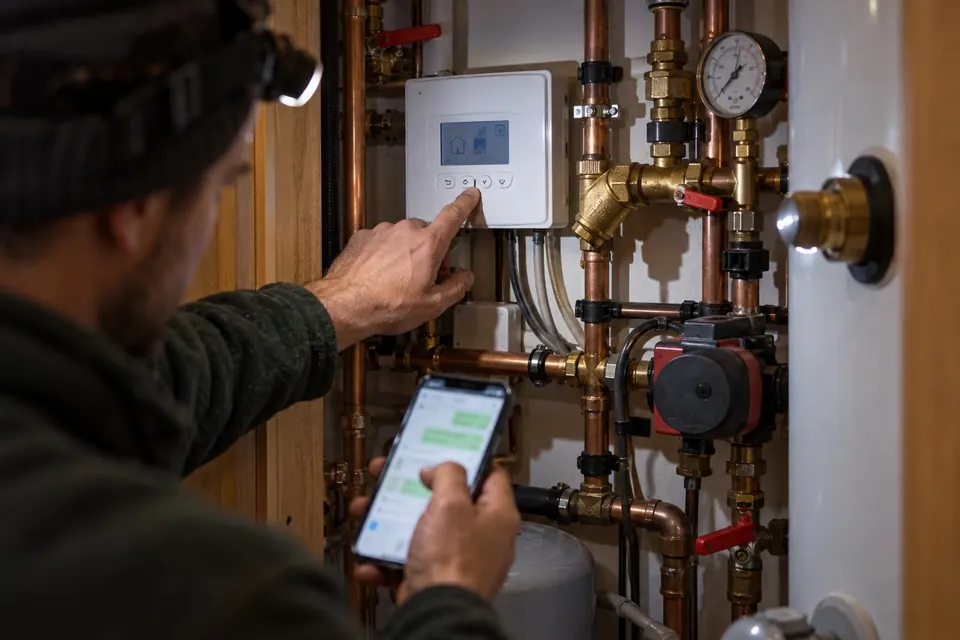
Heating is the one industry where manufacturers put numbers on their helplines, and it is the industry going through the biggest change in what installers are asked to fit. The Heat Pump Association calculates that more than 41,000 full-time heat pump roles would be needed to install 600,000 heat pumps a year by 2028, the previous government’s target, and reports that around 39% of people who complete a heat pump course do not go on to install one.
The Home Surveys and Install Report of the government’s Electrification of Heat demonstration project put the consequence plainly: “Guidance from manufacturers on installation of heat pump units can be lacking or inconsistent.” Every gap in that guidance becomes a phone call.
Lingo for HVAC and heat pumps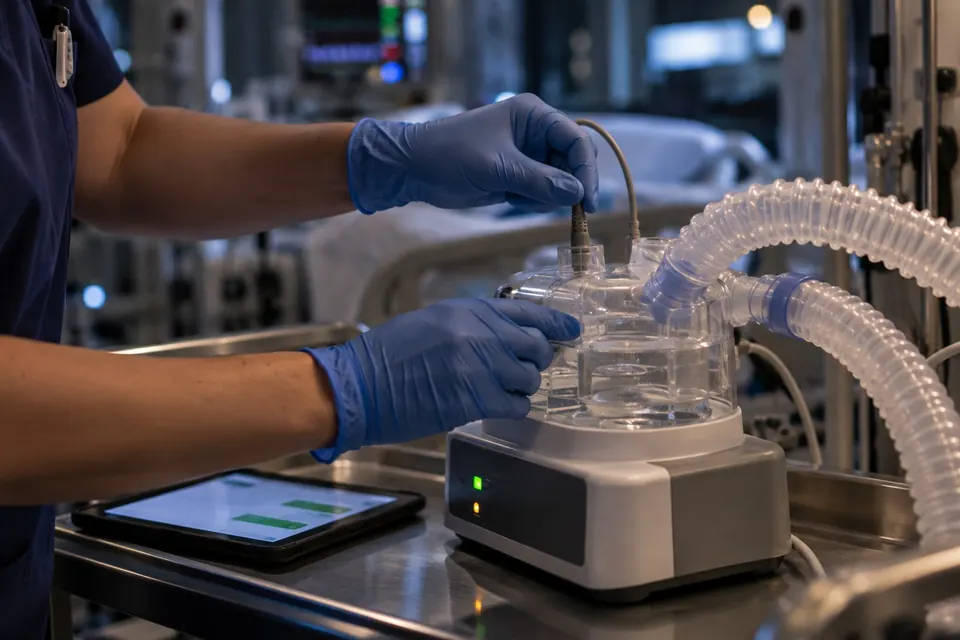
Medical devices
Up to 75%
of customer issues resolved remotely, as published by Siemens Healthineers for laboratory diagnosticsSiemens Healthineers, accessed October 2026
Medical device manufacturers do not publish call volumes, but they publish something more useful: how much they fix without sending anyone. Siemens Healthineers says up to 75% of laboratory diagnostics issues are resolved remotely by a team of 200 technicians, with 900 field engineers behind them. Philips puts it at about 50% of corrective cases for MR scanners. GE HealthCare reports a 40% remote fix rate in the United States and Canada.
Each manufacturer defines the measure its own way, so the three are not a league table. What they share is the direction: the more that is resolved before anyone travels, the fewer visits are needed.
Lingo for medical devices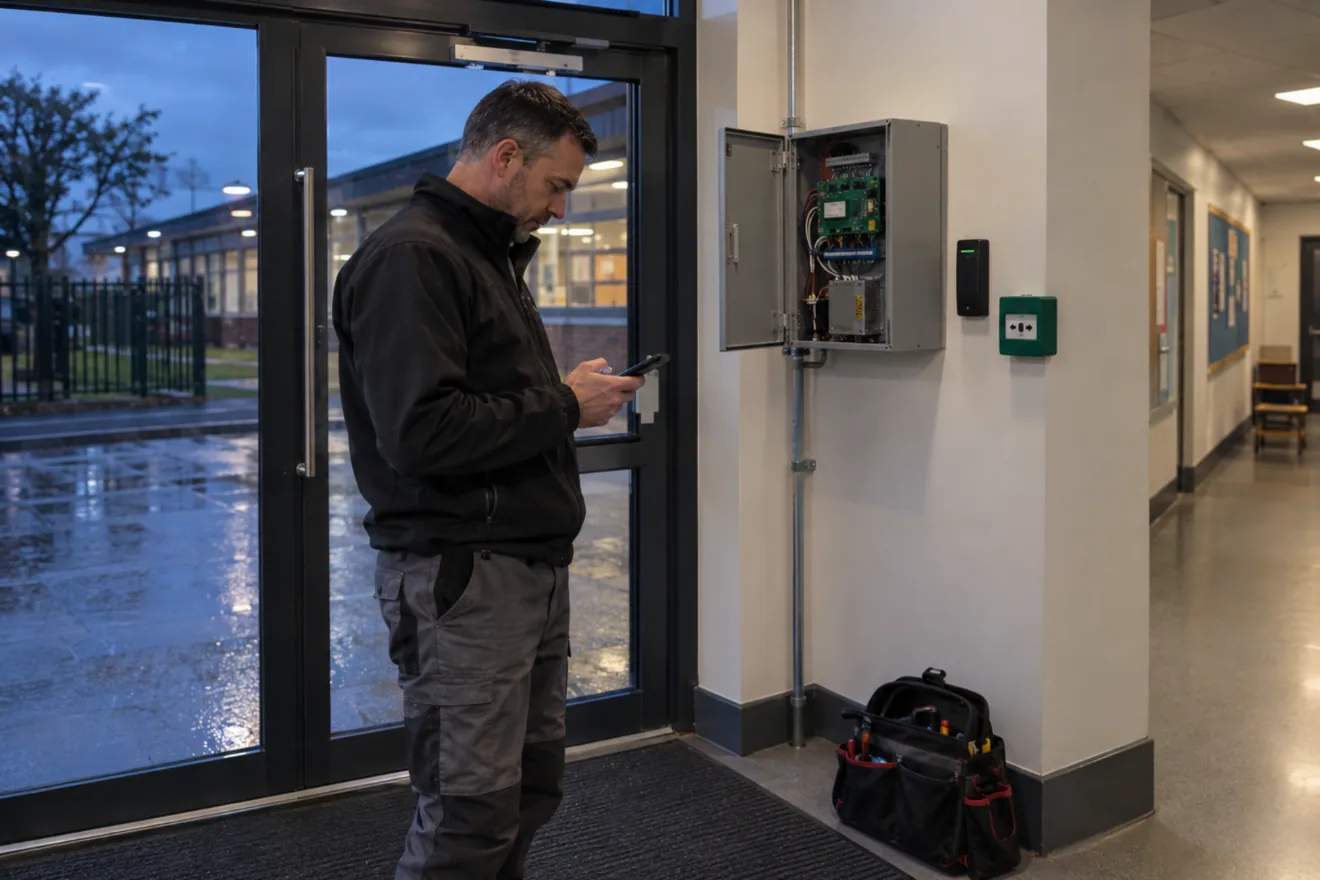
Access control
4,200
installers trained in the UK in one year by a single manufacturer, from almost 2,000 companiesPaxton, reported by IFSEC Insider, May 2019
That is the size of the audience one access control manufacturer has to keep competent, and it trained 5,000 more across Europe in the same year. Every one of them can ring the technical line.
What they ring about is narrower than the product range. One lock and power supply maker, SDC, says from its own support logs that 75 to 85% of access control operating problems and technical support calls come down to power. It is one company’s logs and it sells power supplies, but the pattern is familiar to anyone who has run a helpline: a few causes account for most of the calls.
Lingo for access control
Industrial doors and shutters
Around 70%
of existing powered gate installations found to be non-compliant, according to the Door & Hardware FederationDHF Powered Gate Group, March 2016
Doors and gates are safety-critical and set up on site: limits, force settings, safety edges and photocells all have to be right before the product is handed over. The federation’s figure shows how often the setup falls short of the standard.
When installers need help, they pick up the phone. Chamberlain Group, which makes LiftMaster operators, says of its technical support centre: “Nearly 85% of all cases that come in are via phone.” A question about a limit setting, asked from the top of a ladder, is still handled as a call, one at a time.
Lingo for industrial doors and shutters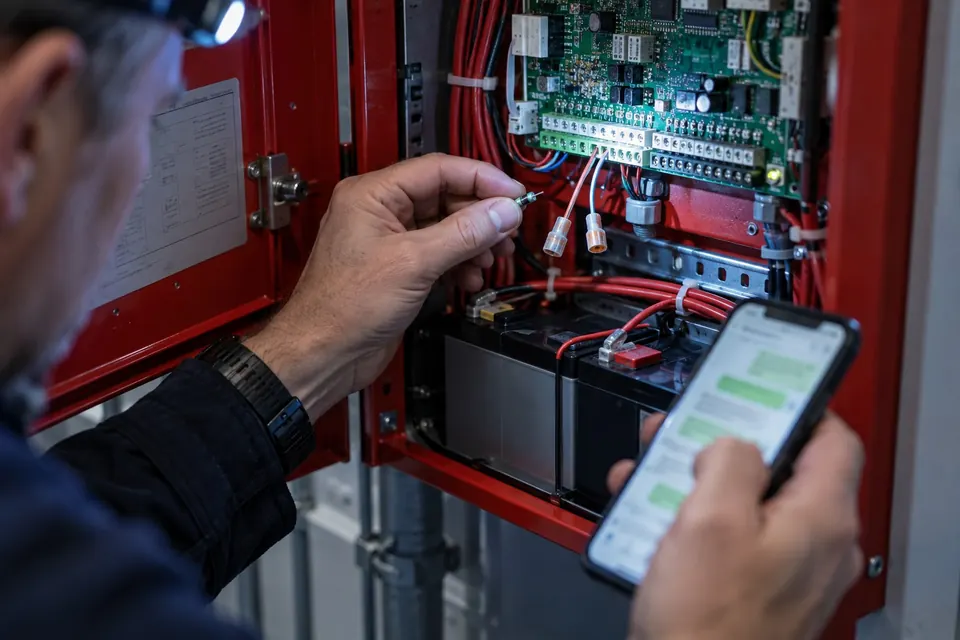
Fire suppression
169,717
false alarms due to apparatus attended by fire and rescue services in England in a yearMinistry of Housing, Communities and Local Government, year ending September 2025
The closest published evidence comes from fire detection and alarm systems, and it shows what is at stake when a fire system is not configured correctly. Fire false alarms were 39% of everything England’s fire and rescue services attended in the year, and about two-thirds of those were put down to the alarm apparatus itself.
Manufacturers’ own descriptions of their helplines show where the difficulty lies. When C-TEC opened a dedicated support line in November 2025, it listed what its specialists help with: system commissioning, complex cause-and-effect programming, and troubleshooting network and configuration issues. All three are documented procedures, as are the commissioning and fault-finding questions an extinguishant control panel raises.
Lingo for fire suppression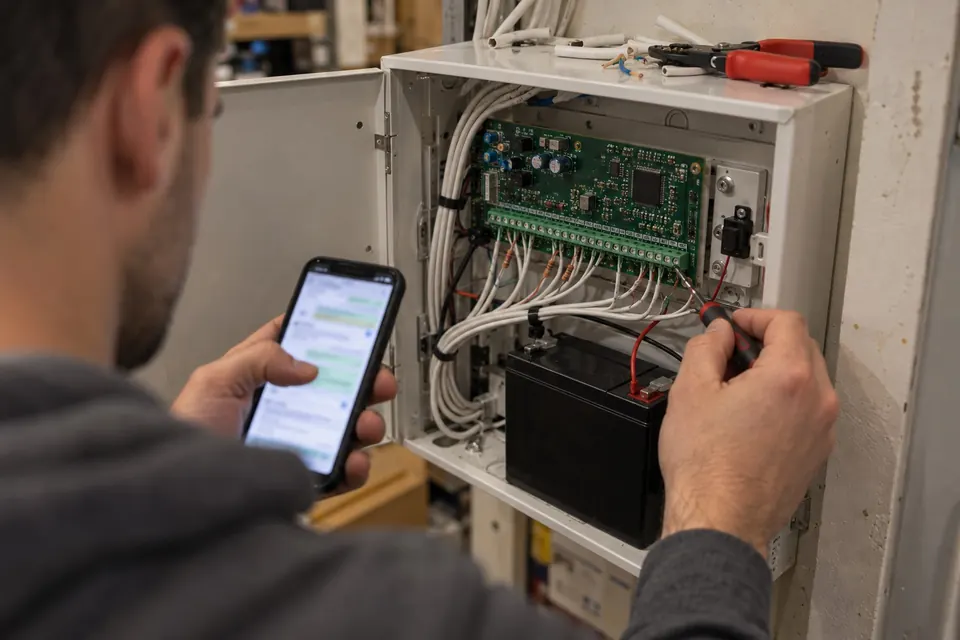
Intruder alarms
30,000+
more alarm engineers needed to meet demand, according to the British Security Industry AssociationBSIA, as reported by Security Journal UK, December 2025
The security trade is short of experienced people. Around 3,000 apprentices are now in training across seven centres, so more of the engineers on site are new to the panels they are programming.
A new engineer asks the questions an experienced one stopped asking years ago, and asks them of the manufacturer. The products have not become harder. The average caller has become less experienced, and the helpline absorbs the difference.
Lingo for intruder alarmsWhat the gaps tell you
Put the six together and three things recur. The products have to be set up correctly on site. The people setting them up are numerous, spread out and increasingly new to the job. And the manufacturer’s answer, when it comes, is usually something already written down.
That is why the two manufacturers who count their calls count them in the thousands, and why Worcester Bosch’s advisors can clear about fifty a day. It is also why most manufacturers have never added it up: the cost is spread across a helpline, an engineering team and a distributor network, and no single budget holds it.
Lingo takes the documented part of that work. Your manuals become step-by-step guides that your own technical team checks and publishes, and installers follow them on WhatsApp at any hour. A question the guides do not cover goes to your team with the conversation attached.
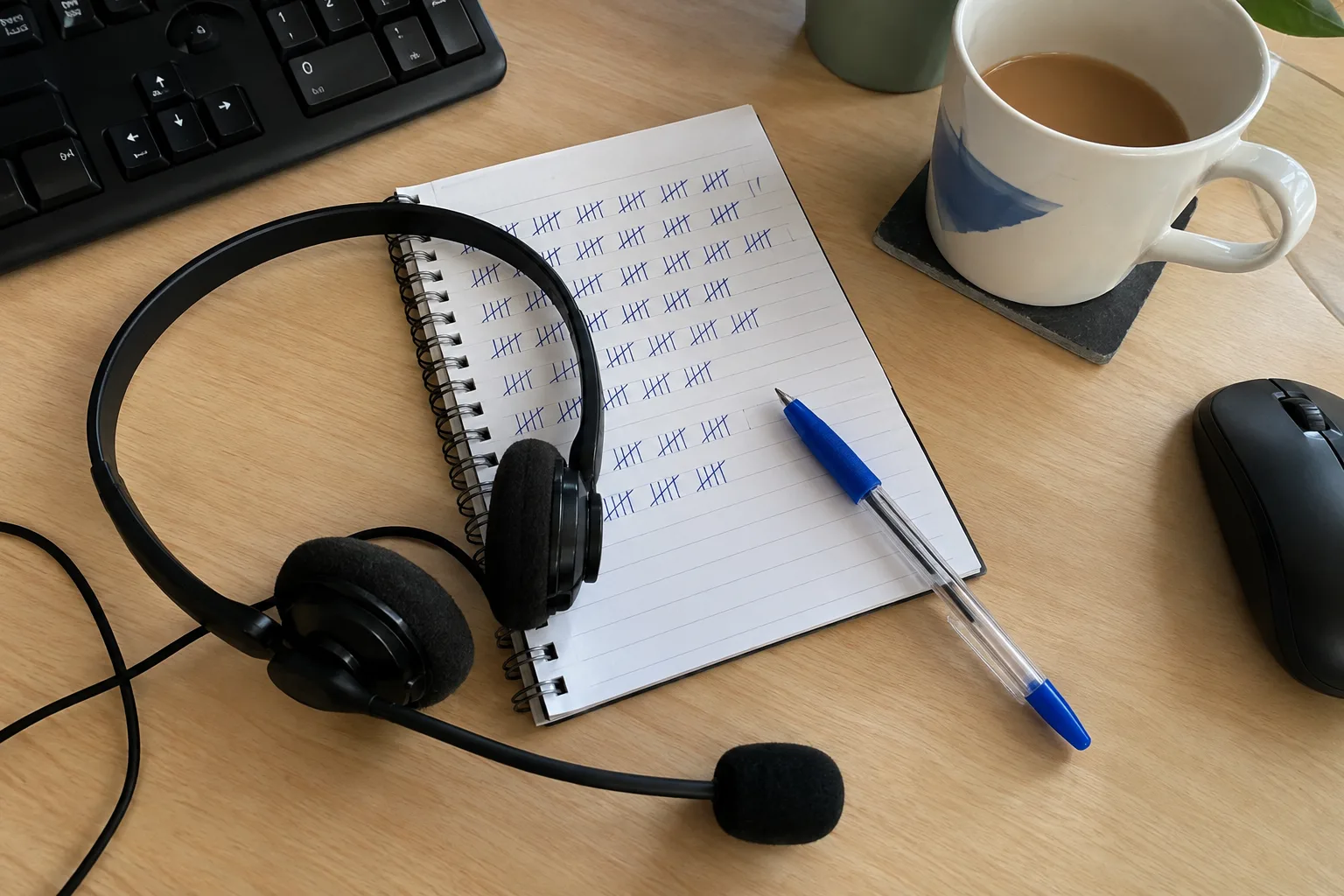
To find your own numbers, tally a week of calls by topic, then put the result into the support cost calculator.
Sources
- Worcester awarded OFTEC technical support accoladeWorcester Bosch, November 2010. 37 advisors, “in excess of 2000 calls a day”.
- Worcester technical support department celebratesBuilders Merchants News, September 2016. 42 advisors, over 500,000 calls and 50,000 emails a year.
- On site with the Worcester Bosch technical support teamPHPI, December 2019.
- Worcester support teamWorcester Bosch, accessed October 2026. Current opening hours.
- Support when it’s needed mostPHAM News, October 2019. Vaillant: around 1,500 queries a day on the trade technical line.
- How technical support from manufacturers is vital for heat pump installersInstaller Online, February 2025. Mitsubishi Electric UK: 15 engineers, around 4,000 pre-sales enquiries a month.
- Summary of 2023 service and support benchmarksMetricNet, 2023. IT service desks. Handle time, contacts per analyst and first level resolution are benchmark averages.
- The impact of new vs. known issues in KCSHDI, Rick Joslin, July 2018. A recommended range for IT service desks, not a survey result.
- Occupation (4 digit SOC) ASHE: Table 14, 2025 provisionalOffice for National Statistics, 2025. Table 14.7a, full-time annual median, SOC 3113. Employer costs as set out in our article on the cost of routine support.
- Rates and thresholds for employers 2025 to 2026HM Revenue and Customs, January 2025.
- Workplace pensions: what you, your employer and the government payGOV.UK, accessed October 2026.
- Gas Safe Register at a glance 2023/24Gas Safe Register, 2024.
- New report highlights growth in heat pump workforce needed to meet UK Net Zero targetsHeat Pump Association, November 2024.
- Electrification of Heat demonstration project: Home Surveys and Install ReportLCP Delta for BEIS, December 2022.
- Laboratory diagnostics performance plansSiemens Healthineers, accessed October 2026. Manufacturer’s own figures.
- Remote servicesPhilips, accessed October 2026. Manufacturer’s own figures. MR systems only, August 2023 to July 2024.
- Universal Full ServiceGE HealthCare, accessed October 2026. Manufacturer’s own figures. United States and Canada, 2023.
- Paxton breaks new global record for installer trainingIFSEC Insider, May 2019.
- Access control power guideSecurity Door Controls (SDC), 2020. Vendor document. The figure is footnoted to SDC’s own technical support logs.
- Door and Hardware Federation issue warning on powered gate safetySpecification Online, March 2016.
- Getting to know the TSCChamberlain Group, accessed October 2026. Company podcast. Undated.
- Fire and rescue incident statistics, England, year ending September 2025Ministry of Housing, Communities and Local Government, January 2026.
- C-TEC announces new dedicated technical support numberFire Safety Search, November 2025.
- Tackling the urgent security skills shortageSecurity Journal UK, December 2025. The 30,000 figure is attributed to the BSIA.
Questions people ask
How many technical support calls does a manufacturer get a day?
Two UK boiler makers have published a figure. Worcester Bosch reported more than 2,000 calls a day to 37 advisors in 2010, and Vaillant reported around 1,500 queries a day on its trade technical line in 2019. Those are market leaders. A mid-sized manufacturer will be far below that, and the only reliable figure is its own.
How many calls can one technical support advisor handle in a day?
Worcester Bosch’s 2010 figures, 2,000 calls a day and 37 advisors, work out at about 54 calls per advisor per day. IT service desks, where calls run longer, average 456 voice contacts per analyst per month, about 22 a working day (MetricNet, 2023).
How long does a technical support call take?
IT service desks average 10.78 minutes of handling time per inbound call (MetricNet, 2023). Worcester Bosch’s 2016 figures imply its calls are shorter: by then it reported over 500,000 calls a year and 42 advisors, which leaves at most 8.8 minutes each, even if the advisors did nothing else.
What share of technical support calls are routine?
The nearest published guide comes from IT service desks, where an article published by HDI recommends that 65% to 85% of tickets should be issues the team has already solved. Manufacturers do not publish their own share, so the reliable way to find yours is to tally a week of calls by topic.